
How to Get the Best Soundboards and Fart Sounds
Since the beginning of recorded humor, fart sounds have played a consistent role in comedy across cultures. Whether it is a subtle squeak or a dramatic rumble, these universally recognizable body noises continue to provoke laughter in people of all ages. This type of fun used to be made up of whoopee cushions and novelty toys, but now it's all digital.
Today, anyone can access a fart soundboard within seconds. These days, platforms offer a huge number of audio variations, searchable libraries, and mobile access. Digital tools have made this niche easier to get into and more highly advanced than ever before. People can listen to fart sounds for quick entertainment, use them in movies, or look into old toilet humor.
This article talks about the science, psychology, and practical aspects of soundboards. It also talks about how they fit in with larger trends in digital entertainment.
Understanding the Cultural Effects of Fart Sounds
Flatulence-based humor has been popular for a long time because it can break social norms without hurting anyone. According to research in the field of psychology, humor often comes from breaking the rules in safe places. An surprise gas sound fits that model perfectly: it's kind of illegal but mostly safe.
Historical evidence confirms its longevity. Ancient Roman graffiti references flatulence jokes, medieval literature includes scatological humor, and Renaissance writers incorporated similar comedic elements into popular storytelling. The persistence of toilet humor across centuries suggests that it reflects something fundamental about human social interaction.
Even in modern contexts, a well-timed soundboard fart can momentarily dissolve tension and reintroduce a shared sense of humanity.
Why Different Fart Sounds Are Made the Way They Are
From an auditory point of view, gas makes sounds that are surprisingly different. Frequency, duration, and timbre depend on airflow velocity, sphincter tension, and gas composition. Most natural recordings fall within 100–3,000 Hz, typically concentrated in lower registers that humans perceive as humorous.
Short, high-pitched bursts often make people laugh out of surprise, while longer, resonant tones build comedic tension by making things seem more and more ridiculous over time. Due to this variety, a complete library might have dozens or even hundreds of different pieces.
These recordings can now be improved or synthesized on digital systems. Some collections include exaggerated versions with extended duration, tonal modulation, or layered effects—expanding the range beyond biological limitations.
Comparing Well-Known Soundboard Platforms
Different platforms offer distinct advantages depending on intended use. Here is a structured comparison of common types:
| Platform Type | Typical Library Size | Key Features | Accessibility | Average User Rating |
|---|---|---|---|---|
| Mobile Apps | 50–200+ sounds | Sound sorting, recording, social sharing features | iOS and Android | 4.2–4.5 stars |
| Web-based Soundboards | 30–150 sounds | Visible buttons, instant internet access | Any device with browser | 3.8–4.3 stars |
| Desktop Software | 100+ sounds | Hotkeys, advanced mixing, editing tools | Windows and macOS | 4.0–4.6 stars |
| Smart Speaker Integration | Limited built-in library | Voice control, hands-free use | Smart devices | 3.5–4.0 stars |
Mobile apps are the most popular for casual use because they are portable and easy to get to. Desktop tools appeal to creators who require editing control. Web-based tools are convenient because they don't need to be installed.
Essential Features of a High-Quality Soundboard
Not all collections deliver the same experience. The following elements consistently distinguish stronger platforms from weaker ones:
- Clear, high-fidelity audio recordings — Noise or distortion in the background takes away from the funny effect.
- Logic-based sorting — Users should be able to quickly find certain types (short, long, echo, and synthetic).
- Low-latency playback — Delayed sound makes timing less accurate.
- Custom recording — This feature lets you add to your library.
- Sharing and export options — Useful for content creators and social media integration.
Layering, timing triggers, and volume normalization may also be available on more advanced platforms.
Why People Listen to Comedic Sound Effects
The appeal goes beyond novelty. Users engage with humorous audio libraries for several reasons:
- Stress relief — Laughter releases endorphins, which make you feel better and lower your stress.
- Social bonding — Laughter brings people together in a group.
- Harmless pranking — Digital tools let you make jokes that don't hurt anyone.
- Nostalgia — This kind of humor makes a lot of people think of their youth.
- Acoustic curiosity — Some users like hearing different tones and changes in recordings.
While simple in concept, the appeal spans emotional, social, and psychological domains.
What Digital Soundboards Did to Toilet Humor
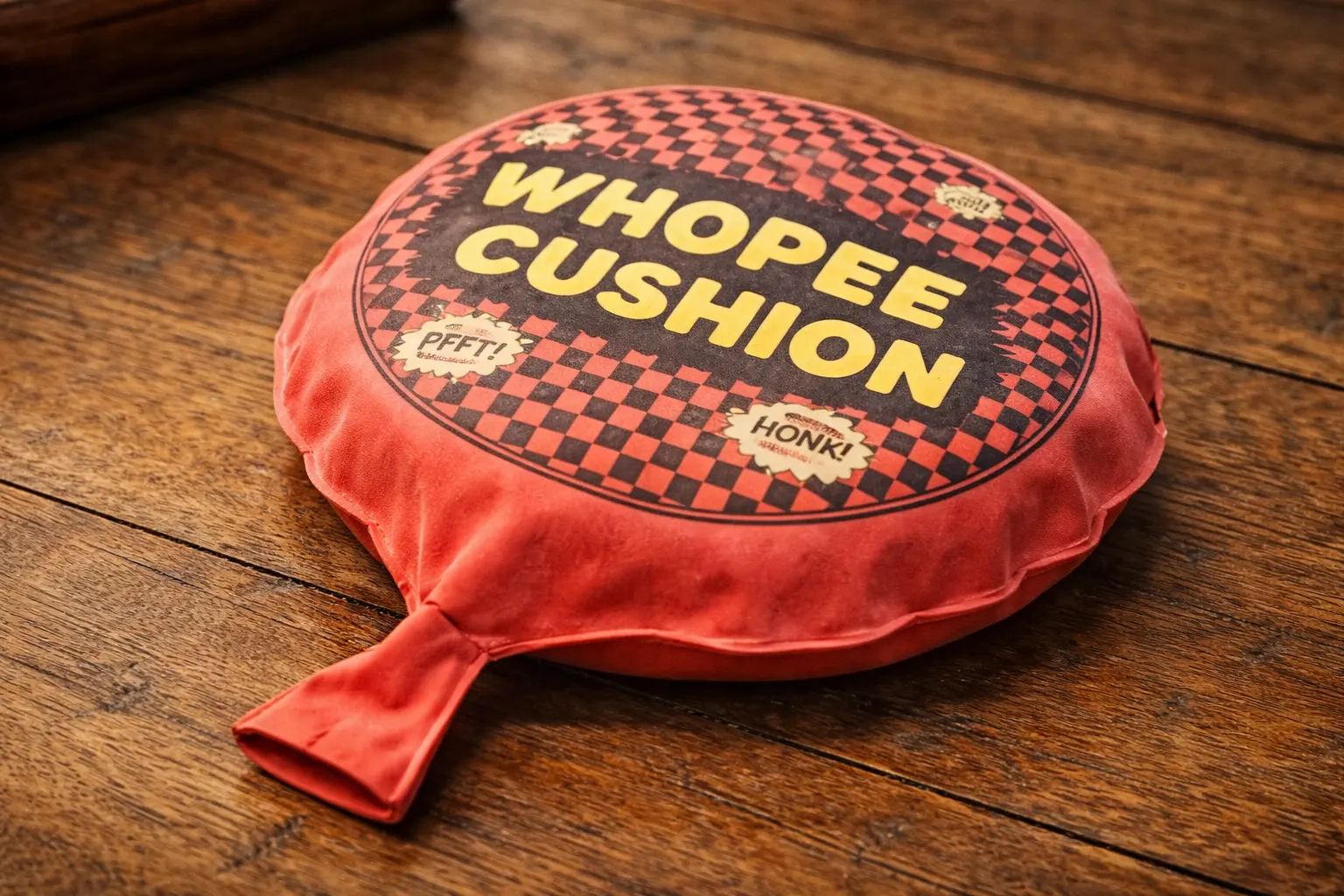
A big change happened when novelty items changed from real items to digital soundboards. Older trick tools were limited by the fact that they could only be used once and were hard to see. These limits were taken away by software.
Digital libraries now give you quick access to music clips that have been organized. Accurate timing makes it possible to incorporate into live conversations, video content, or streaming settings. Online communities share, rate, and improve collections, turning jokes that were written by one person into ecosystems where people work together.
Adding Soundboards to Online Casinos
Sound design is a very important part of online casinos. Although novelty audio libraries and gambling software operate in different domains, they share certain interactive principles.
Audio feedback that responds is very important to online casinos. Carefully engineered sound cues signal wins, spins, feature activations, and near-miss events. These cues are set up to keep the user interested without being too much.
Key roles of sound in casino environments include:
- Building suspense — Rising rhythmic patterns during slot spins make things more exciting.
- Reward reinforcement — Winning sounds provide immediate positive feedback.
- Thematic immersion — Background music helps tell the story of the game (for example, themes from the past, the future, or cities).
- Interface guidance — Subtle cues show what actions are acceptable and what actions are not.
- Forming a brand identity — Audio signatures that are used consistently make things sound familiar.
In one main way, the design philosophy is similar to novelty soundboards: immediate sound response encourages user interaction.
Even though casinos are regulated places, the technical rules of timing, clarity, and emotional response are the same in all types of entertainment.
Audio Library Creation and Editing Tools
There are different kinds of tools for people who want to build their own collections.
| Categories of Tools | Platforms Supported | Core Features | Pricing Model |
|---|---|---|---|
| Casual Mobile App | iOS and Android | Pre-loaded sounds, easy recording | Free with ads or low-cost upgrade |
| Premium Soundboard App | iOS, Android, Web | Large files, favorites, mixing | One-time purchase |
| Professional Audio Editor | Windows and macOS | Edit, normalize, handle effects | Subscription or perpetual license |
| Cloud-based Audio Suite | Cross-platform | Sharing files, converting formats, collaboration | Free version plus membership |
Casual users usually use libraries that have already been made. Content creators benefit from professional editing tools that allow noise reduction, equalization, and precise trimming.
Building a Personal Sound Collection
To make a structured library, you need to be organized and aware of ethical issues.
Steps that are suggested:
- Define intended use (casual playback, video editing, streaming).
- Establish naming conventions early.
- Separate recordings of nature from recordings of man-made effects.
- Apply normalization to maintain consistent volume levels.
- Respect privacy and obtain consent when recording others.
Clear categorization prevents long-term management issues as collections grow.
Responsible Use and Context Awareness
Most people think of lighthearted fun as such, but the situation is important. In casual social settings, over-the-top humor might be okay, but in business situations, you need to be careful.
Online sharing also demands awareness. Too many posts may lose their effect or seem annoying. Balanced use keeps the funny value while respecting the limits of the audience.
Frequently Asked Questions
Why are some recordings funnier than others?
Timing, length, and surprise all have a big impact on how funny something seems. Longer tones often amplify absurdity, while short bursts create sharp comedic contrast.
Are soundboards good for kids to play with?
In general, yes, but people should be polite when they use it. Appropriateness depends on the situation.
How can I tell which recordings are good quality?
Look for sound that is clear, has little distortion, a good volume, and good reviews from other users.
Can I use these sounds in videos?
License rules determine how to use the work. Some sites allow business use, while others limit how they can be shared.
Why does toilet humor remain popular with adults?
It offers safe norm-breaking and emotional relief from social formality.
Conclusion
Psychology, society, and digital design all come together in fart sounds and soundboards. What started out as physical collectibles has grown into organized digital libraries that are backed up by editing software and online communities.
The same audio principles that sustain novelty humor—timing, clarity, emotional reinforcement—also appear in more complex digital entertainment sectors, including gaming and casino platforms.
Even though technology changes, the basic idea behind it is still the same: shared, lighthearted laughter. Soundboards are a great example of how even the most basic forms of humor can work well in modern digital settings. They can be used for fun or as part of bigger creative projects.